In democratic societies the mass media have been defined as the ‘fourth power’ due to their extensive societal influence. The extent to which the mass media shapes can be used by politicians to construct the ‘correct’ image has become increasingly significant. Harold Wilson, UK Prime Minister, is seen by some commentators as being the first media savvy politician because of the numerous techniques he used to get his point across. Similar process were used by Marget Thatcher as a means of creating an electable image. Gordon Green, her media advisor, masterminded the now famous picture of her doing the family washing-up . This distinctly non-feminist image of Mrs Thatcher as a housewife helped construct an electable image far removed from the reality of an Oxford-educated career women.
Green also used other strategies to stage-manage her appearance to the electorate. He picked her television appearances with care favouring Jimmy Young’s more gentle Radio 2 show to the more challenging environment of programmes like BBC’s Panorama which would place her thinking under greater scrutiny.
Since then other politicians have used the media to stage manage their appearance. In an attempt to shake off his stuffy intellectual image in the 1990s William Hague famously took to wearing a baseball cap; a far cry from the image he presented at his first ever Tory conference when aged 16.
In the 2010 general election campaign David Cameron aligned himself alongside Gary Barlow when visiting a school in order to project the right image. Similarly when being interviewed David Cameron like all politicians makes certain the interview is conducted in the setting most suitable to the topic under discussion.
Stage managing ones image isn’t confined to old-media, new media (or social media) is used by politicians in order to create the ‘right’ image. Numerous politicians have Facebook pages; Twitter addresses; broadcast on Youtube or publish images on Instagram style social media in order to portray the right image – something not so dissimilar to that which Harold Wilson was doing back in the 1960s.
Nevertheless despite the growth of social media political parties still broadcast Party Political Broadcasts to get their message across, nowhere more so than with Nick Glegg in the 2010 election.
http://www.bbc.co.uk/education/clips/zt92hyc
feminist housewife (picture in top right-hand corner).
Our wealth, poverty and welfare revision book is now available on Amazon. Sociology Revision Book 2, AS-Level:  Wealth, Poverty and Welfare, Education & Research Methods complete with glossary and index.
Our other titles are also available.


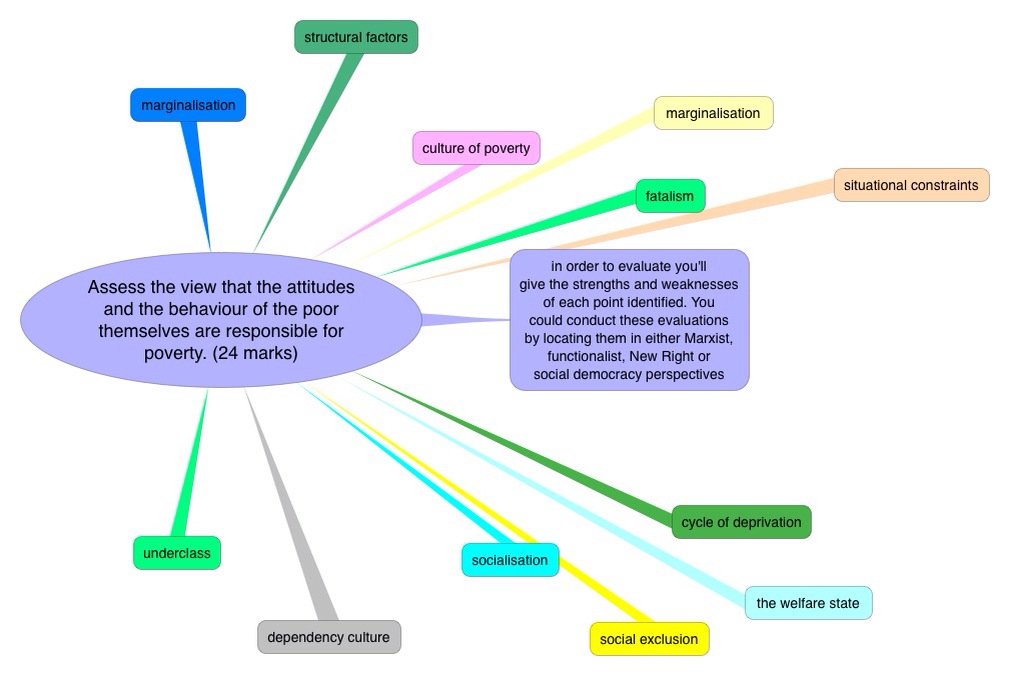


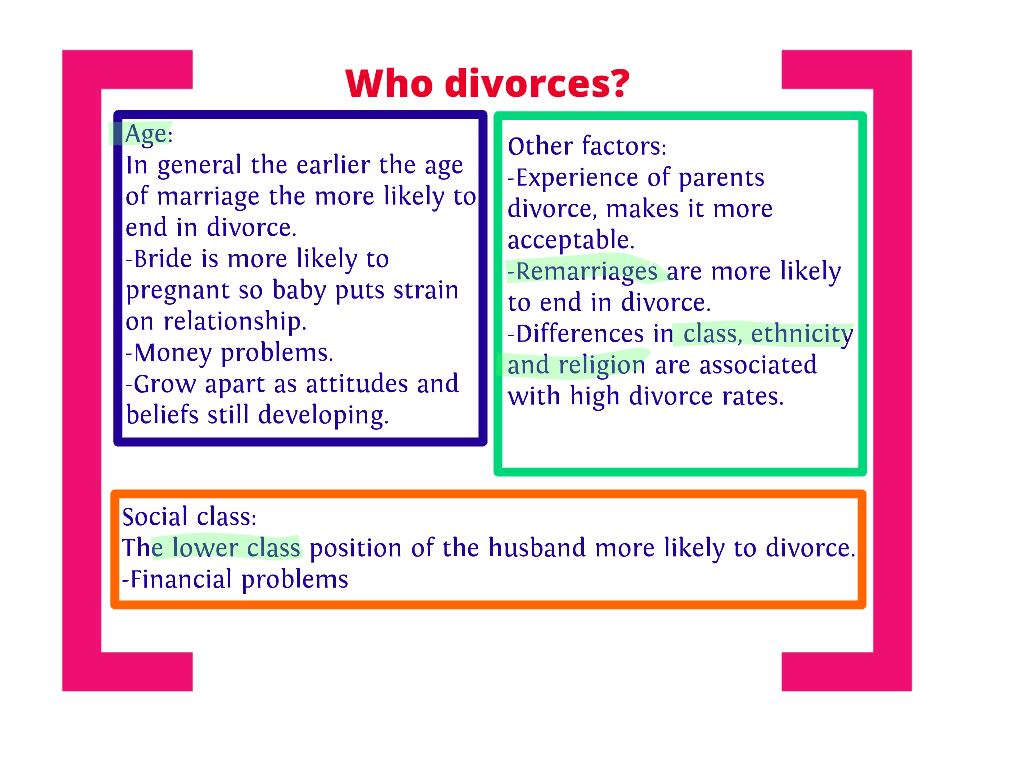

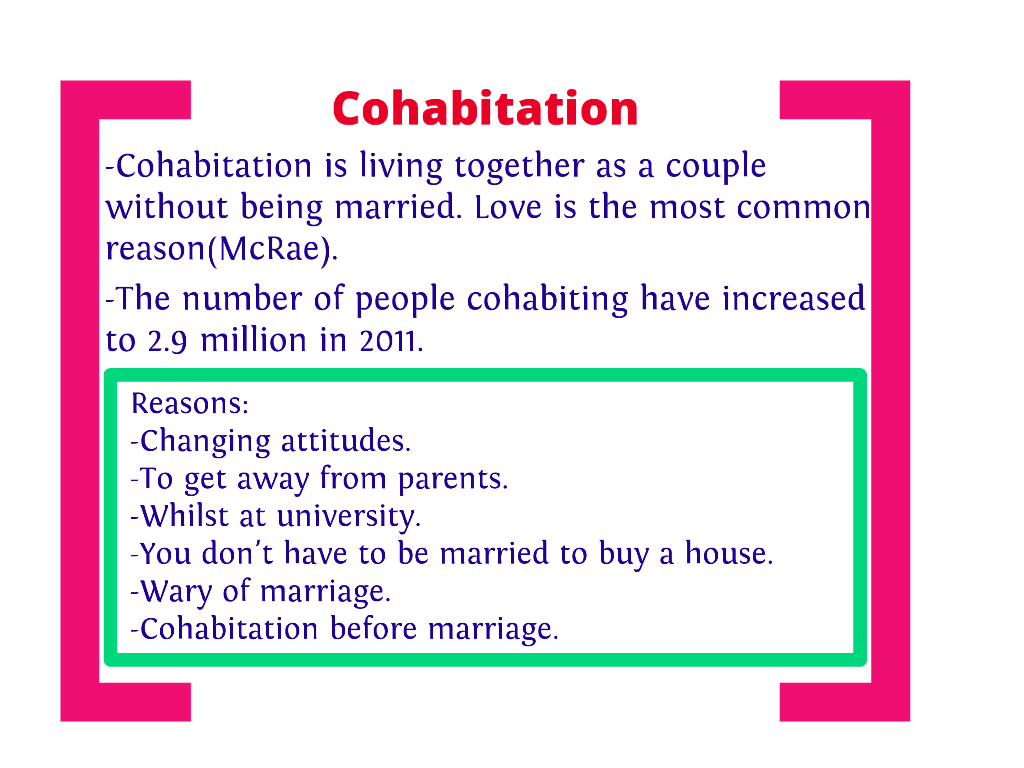
Return to family revision


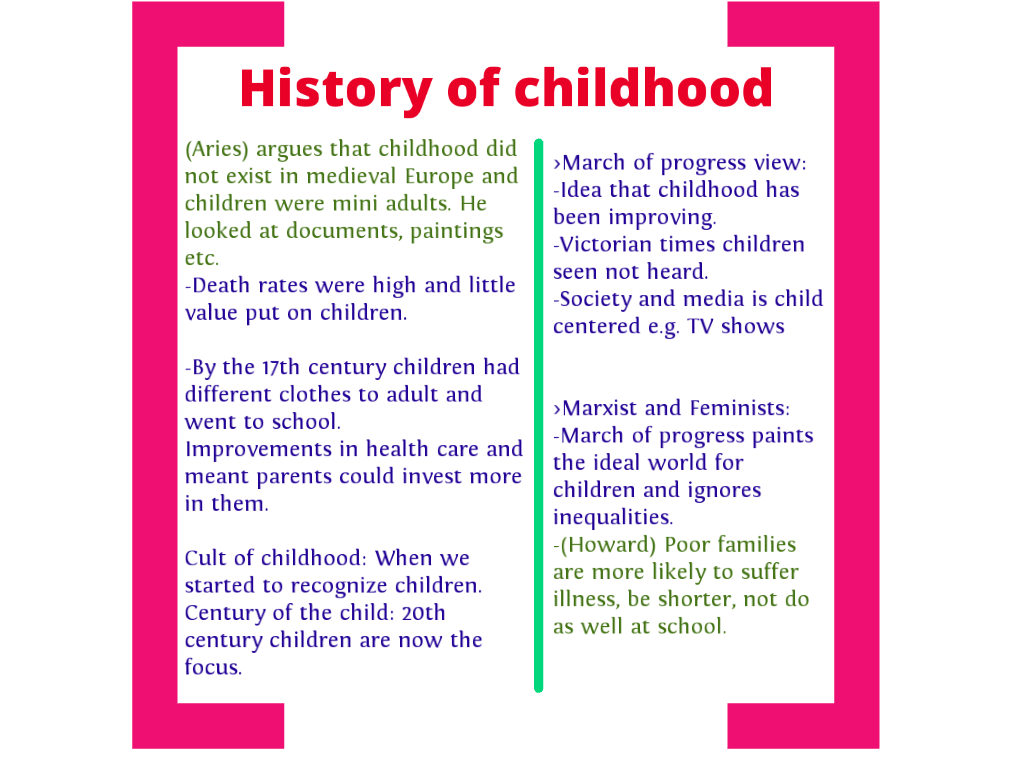


Return to family revision page


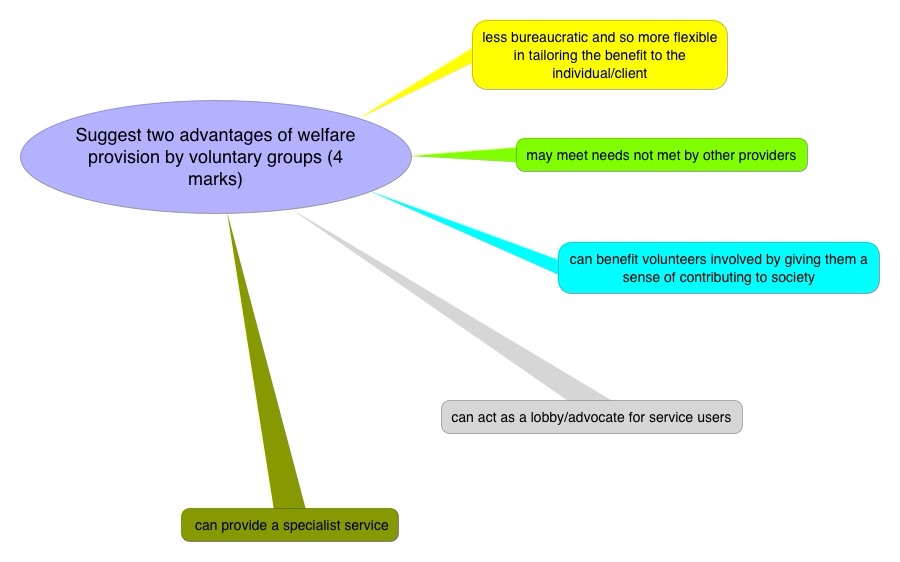
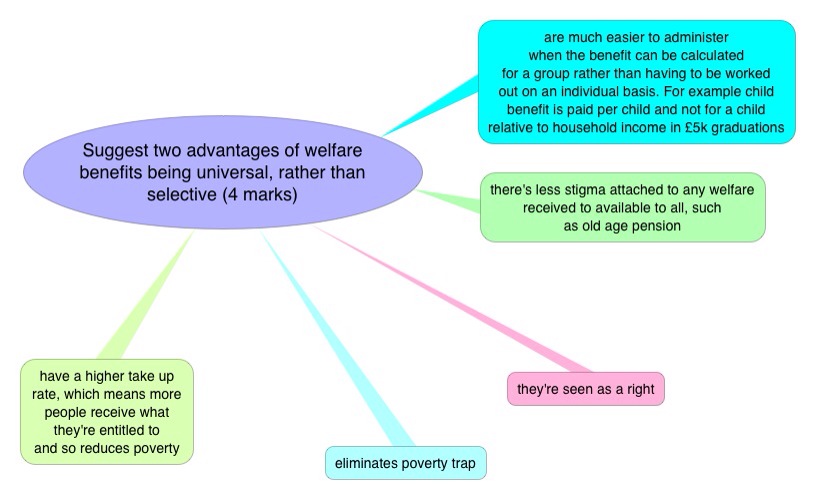
 Follow this link for AS family exam questions and answers revision images
Alternatively follow this link to our sociology revision books page where you can purchase our AS sociology revision book or our bespoke family revision book or download our Kindle Family and Household revision book complete with questions and answers. Alternatively you might just wish to test you knowledge and understanding.
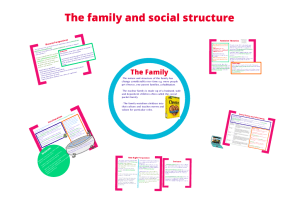
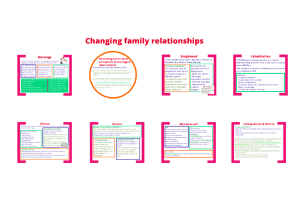
While the images below cover the main topic areas relating to the sociology of the family providing you with a broad overview.


Gerry Mooney, Senior Lecturer at the Open University has examined the way the language influences Government welfare policy, pointing  to the media and politicians talk about those living in poverty.
“In some ways, the terminology and words used have changed’ says Mooney, ‘but as you did begin to dig deeper the dominant narratives show remarkable consistency with those from the past. We have, for instance, the enduring legacies of the late 19th century when there were notions of a deserving and undeserving poor. This is dressed up today as ‘strivers and skivers.’
How a problem is defined, constructed and understood says much about the policy along the lines of individual ‘fecklessness’, inadequacy and so on will lead to policies that are likely to be more punitive and that will seek to encourage more individual responsibility and less reliance on benefits.”
Mooney believes that attitudes to welfare have hardened in part because of the influence of a media that is keen to pint out the finger of blame at the individual for their own circumstances, rather than look at the wider social and cultural picture.
“It should not come as any surprise that public attitudes to welfare are becoming tougher, given almost constant drip-feed by sections of the media about ‘welfare junkies’, the ‘workless’ and so on.” says Mooney.
Matters have been made worse by a spate of what Mooney calls ‘crisis of welfare’ stories in the media. ‘These reflect some horrific cases of child abuse and abduction, domestic violence and so on, but have been used to attack ‘welfare cultures’ that are pinpointed as key contributing factors. These episodes are used to criticise working-class life which is nearly always negatively portrayed and stereotyped.”
Extract from ‘Vanishing in Society’, Open Minds, 2013
The term medium refers to one of the means or channels of communication, information or entertainment in society such as newspapers, books, cinema, Internet, radio or television etc. Whereas media, being the plural of medium, refers to all the aforementioned channels of communication available on mass.
With the growth of digital broadcasting along with the proliferation of Internet based platforms, the media has become an enormous industry with instant news available from all over the globe.
With the vast majority of the UK population having access to television either through scheduled transmissions or on-demand platforms like iPlayer the media has become an important source of information, entertainment or general leisure activity.
Therefore the importance of the media in contemporary society can’t be underestimated as most of our views, opinions and knowledge on the world around us comes to us second-hand through a variety of media platforms. The extent of such power generates two main questions for sociologists:
- do the media deliver this knowledge objectively or is their a bias in media reporting?
- do the media stereotype certain social groups, thus stratifying one social group over another?
Test Yourself
Tests
What is media?
Media Effects
Cultural Effects Model (inc polysemic; ‘preferred’ and ‘negotiated’ readings)
What is the relationship between ownership and control of the media?
Pluralist view of media owners
Neo-Marxist view of media owners
Media influences on voting behaviour
Rupert Murdoch’s influence on voting behaviour
Social Construction of the News
Moral panics and deviancy amplification
False reporting and the creation of moral panics
 sociologytwynham.com